Case study

04

AR-based Automotive HVAC
Airflow Visualization

AR-based Automotive HVAC Airflow Visualization

AR-based Automotive HVAC Airflow Visualization

Introduction

AR-based Automotive HVAC Airflow Visualization

Introduction

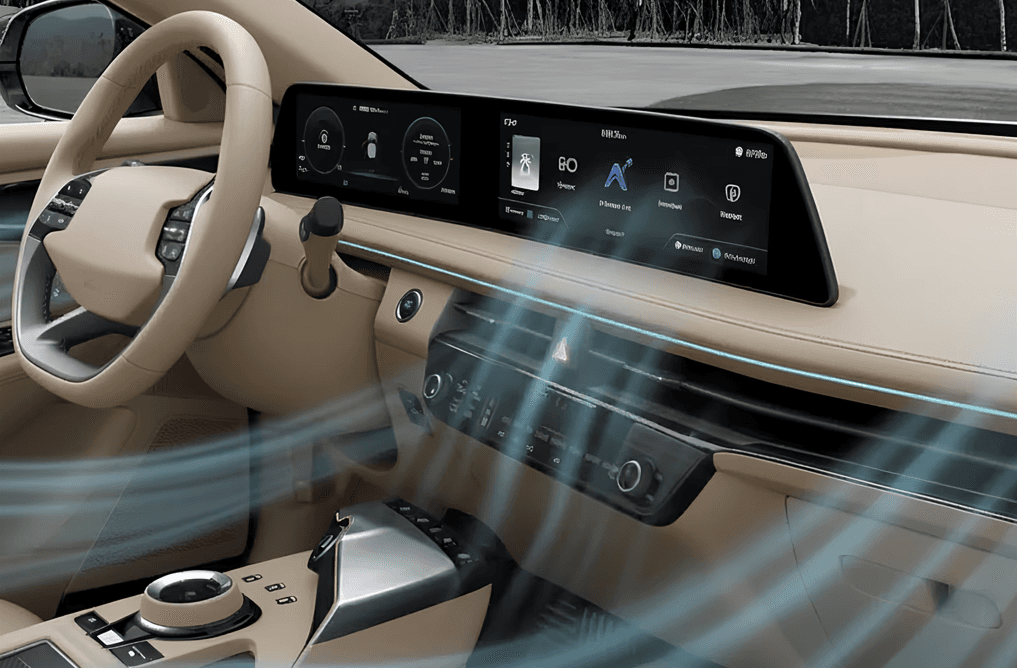
This project enables HYUNDAI WIA to evaluate automotive HVAC functionality and user experience through an immersive AR/XR environment.

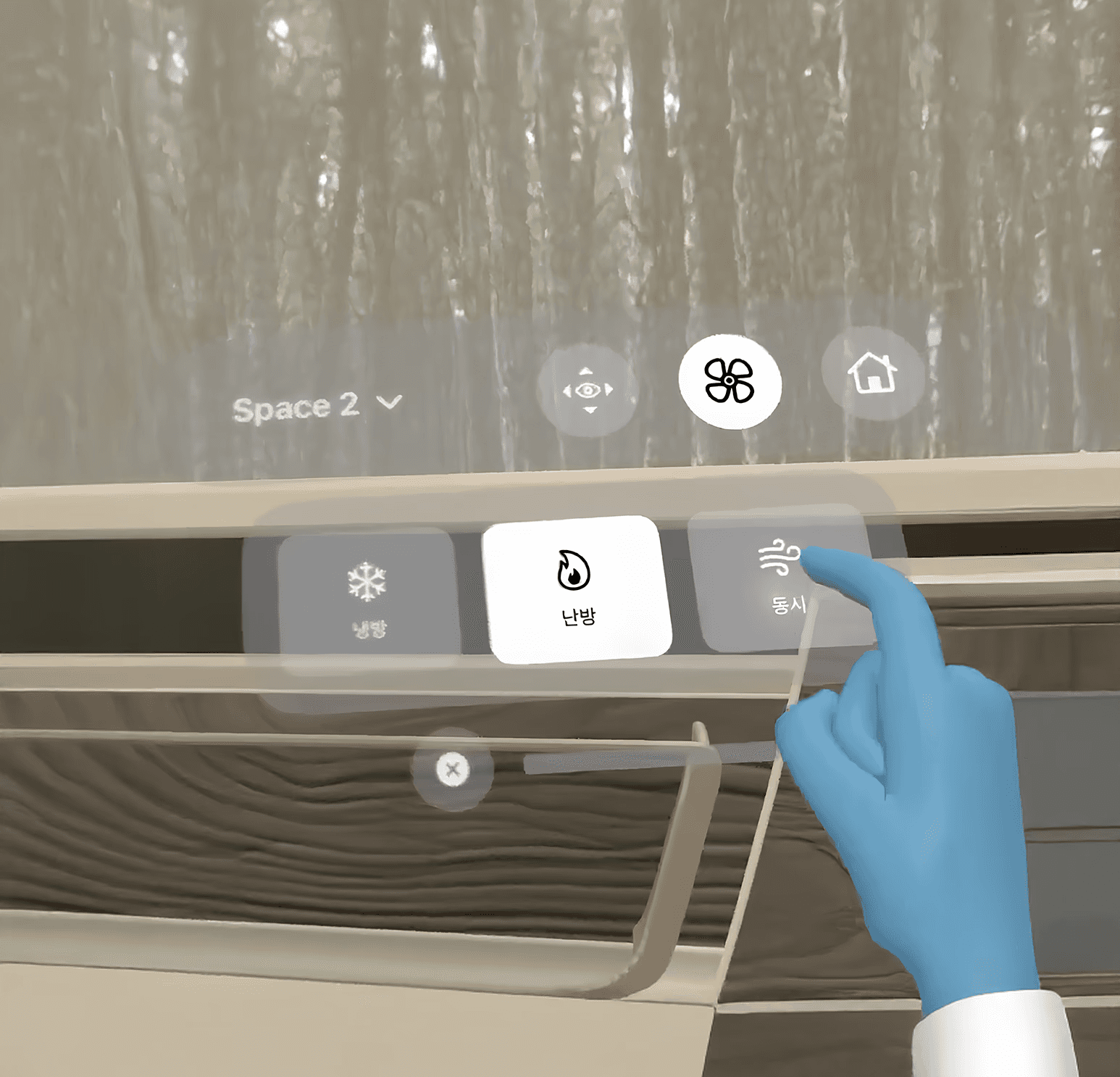
By overlaying climate-control interfaces and system behaviors onto physical mockups, teams can assess real-world usability and final design intent before any hardware is produced.

Client

HYUNDAI WIA

HYUNDAI WIA

NeedsClient

Use Case

Use Case

HVAC UX Evaluation

HVAC UX Evaluation

HVAC UX Evaluation

Evaluate key HVAC interactions—temperature, airflow, and mode control—through an immersive AR-based user experience test.

Evaluate key HVAC interactions—temperature, airflow, and mode control—through an immersive AR-based user experience test.

Evaluate key HVAC interactions—temperature, airflow, and mode control—through an immersive AR-based user experience test.

AR Overlay Validation

AR Overlay Validation

AR Overlay Validation

Verify UI placement, visibility, and alignment by precisely overlaying digital HVAC interfaces onto physical mockups.

Verify UI placement, visibility, and alignment by precisely overlaying digital HVAC interfaces onto physical mockups.

Verify UI placement, visibility, and alignment by precisely overlaying digital HVAC interfaces onto physical mockups.

Airflow Behavior Visualization

Airflow Behavior Visualization

Airflow Behavior Visualization

Visualize airflow patterns, temperature shifts, and distribution changes in 3D to assess system performance intuitively.

Visualize airflow patterns, temperature shifts, and distribution changes in 3D to assess system performance intuitively.

Visualize airflow patterns, temperature shifts, and distribution changes in 3D to assess system performance intuitively.

Early-Stage Functional Assessment

Early-Stage Functional Assessment

Early-Stage Functional Assessment

Simulate core HVAC functions early in development to validate logic and user experience before hardware exists.

Simulate core HVAC functions early in development to validate logic and user experience before hardware exists.

Simulate core HVAC functions early in development to validate logic and user experience before hardware exists.

Physical Mockup Review

Physical Mockup Review

Physical Mockup Review

Review usability and ergonomics by layering HVAC interfaces over physical interior models in a realistic AR environment.

Review usability and ergonomics by layering HVAC interfaces over physical interior models in a realistic AR environment.

Review usability and ergonomics by layering HVAC interfaces over physical interior models in a realistic AR environment.

Technology

  • AR Overlay on Physical Mockups

  • Unity Simulation

  • Real-Time Airflow Visualization

  • Vision Pro/3D Rendering

  • Scenario-Based Interaction Testing

  • AR Overlay on Physical Mockups

  • Unity Simulation

  • Real-Time Airflow Visualization

  • Vision Pro/3D Rendering

  • Scenario-Based Interaction Testing

  • AR Overlay on Physical Mockups

  • Unity Simulation

  • Real-Time Airflow Visualization

  • Vision Pro/3D Rendering

  • Scenario-Based Interaction Testing

About

The solution projects the HVAC control system and its functional responses onto full-scale physical prototypes, allowing designers and engineers to evaluate layout, interaction, and visibility within the real cabin environment.

HVAC behaviors—including airflow direction, intensity, temperature changes, and mode transitions—are visualized in 3D to simulate the final user experience before the vehicle is manufactured.

The solution projects the HVAC control system and its functional responses onto full-scale physical prototypes, allowing designers and engineers to evaluate layout, interaction, and visibility within the real cabin environment.
HVAC behaviors—including airflow direction, intensity, temperature changes, and mode transitions—are visualized in 3D to simulate the final user experience before the vehicle is manufactured.

Business Impact

Business Impact

This AR-driven process reduces development cycles by enabling early verification of HVAC usability and system behavior without relying on completed hardware.

HYUNDAI WIA can make faster design decisions, improve functional accuracy, and reduce production risks by validating the final cabin experience ahead of build stages.